
Connector & hose fixes: $100–$200
The brittle flexible connector behind the cooktop, a small part responsible for an outsized share of leaks.
There is no "close enough" in gas. Every job we do in Chatswood, a leak chased down, a cooktop connected, a new line run to an outdoor kitchen: finishes the same way: holding pressure on a gauge, certified, documented. That is the whole standard, and it is not negotiable.
NSW law reserves every millimetre of gas work for licensed gasfitters, connecting an oven included, because gas fails differently to water. A water mistake stains a ceiling; a gas mistake is a leak you breathe, a fire you host, or carbon monoxide you never smell. It is no coincidence that the leaks we chase most often trace back to a confident handyman and a roll of thread tape.
The licence is not the paperwork, it is the finish line it enforces: the whole installation held against a manometer until the needle stays put, appliances burning correctly with the ventilation they need, work done to AS/NZS 5601, the standard your insurer will ask about if it ever matters. Across Chatswood and the North Shore, that gauge test is how every one of our gas jobs ends.


For a food business, gas is production. A cooktop out of service is not an inconvenience to schedule around, it is a menu that cannot be served.
High-rise living around the Interchange means grease, wipes and food waste clog common sewer stacks, the most frequent blockage we clear in Chatswood.
So we carry the common commercial failure parts and we work to your service times rather than ours. Where a part genuinely has to be ordered, you will hear that immediately along with what can be kept running in the meantime.
Gas runs in older homes are frequently black steel, and steel corrodes internally over decades. The bore narrows with scale, which starves appliances at the far end of the run, and the wall thins at the low points where moisture collects.
Leafy interwar streets toward Lane Cove let roots invade cracked clay drains, choking the flow and backing up gullies.
An appliance that has become unreliable at the end of a long old run is often reporting on the pipe rather than on itself. That is worth establishing before it gets replaced.
Putting a gas cooktop where there was not one, or moving an appliance during a renovation, is rarely just plumbing in a block. It usually requires an owners corporation approval, sometimes a by-law, and always correct ventilation and flueing for the space.
Chatswood is a major North Shore hub (postcode 2067) built around its rail interchange and Westfield, bordering Willoughby, Artarmon, Roseville and Lane Cove North. Its mix of dense apartment towers and older homes on the valley slopes gives us a full range of blocked-drain work.
We will tell you what the work needs before you go to the committee, so the application you submit is the one that gets approved rather than the one that comes back with questions.
Commercial premises get inspected, insured and sold, and all three ask for the same thing: documentation that the gas installation is compliant and who certified it.
Every job we do finishes with a compliance certificate, and for commercial clients we keep the history so the paperwork exists when a landlord, insurer or inspector asks for it rather than being reconstructed under pressure.
In a block, the supply to the building and the risers are common property; the pipework and appliances inside your lot are generally yours. Individual meters may sit in a common meter room, which frequently confuses the question of access.
Establish it before arranging work. Anything on common property needs the owners corporation to authorise it, and a plumber cannot simply proceed because a resident asked.
Correct combustion is blue and steady. Yellow, lazy or lifting flames mean the air-to-gas ratio is wrong, a blocked jet, a starved supply, insufficient ventilation, or an appliance set up for a different gas type.
It is the one diagnostic anyone can do without equipment, and it is worth a look at every gas appliance in the house once a year.
The brittle flexible connector behind the cooktop, a small part responsible for an outsized share of leaks.
Leaking threads and valves sealed properly and proven again under pressure.
Corroded or damaged sections replaced; concealed lines needing access run $800–$2,500.
Connected, tested, certified. Extending a line or adding a bayonet to reach it is quoted on top, fixed, first.
Sydney's 2026 licensed-gasfitter range, call-outs typically $80–$150. The certificate at the end costs nothing extra, it is the job.
No gas job of ours ends without holding pressure on a gauge, that is the receipt that matters. Figures here are indicative of the 2026 Sydney market rather than a quote from us, you get your own number as a fixed price before any work starts.
Suspected leaks start with the supply off at the meter and air moving through the space. Diagnosis begins only after the installation stops feeding the problem.
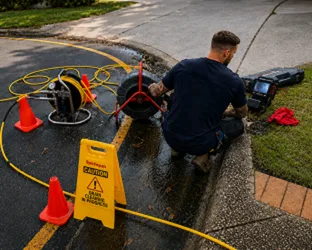
A manometer says whether the system is losing gas; detection fluid and instruments then walk the installation to the guilty joint, fitting or run.

The failed component comes out and compliant material goes in, to AS/NZS 5601, whether that is one connector or metres of rerun line.
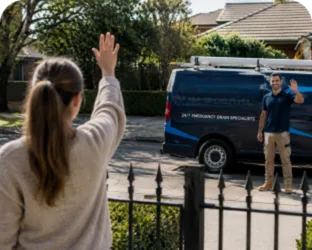
The full installation holds on the gauge or we are not done. Appliances relit, flames checked blue, ventilation confirmed, compliance documented.
Cooktop, heater or barbecue point: connected, tested and certified in one visit. The right way costs less than the redo.
Licensed, pressure-tested, documented: every time. Smelling gas this minute? 131 909 from outside comes first.

Leave your details and our local Chatswood team will call you back fast.