
The usual fixes: $150–$600
Elements, thermostats, thermocouples, relief valves: the parts that actually fail, tested and swapped in one visit.
Most dead hot water systems are one failed part, not a funeral. We diagnose before we quote, carry the common parts on the van, and get Chatswood households back under a hot shower the same day, keeping the new-system conversation for tanks that have genuinely earned it.
Here is the industry’s quiet incentive problem: a thermostat is a modest job and a new system is a four-figure one, so guess which gets recommended to people standing in cold water. Yet the actual failure list is boringly repairable, electric tanks lose elements and thermostats, gas units lose thermocouples and pilot assemblies, continuous-flow systems flash error codes that decode to a sensor or a flow fault. Metered, tested and swapped, most of these are same-day fixes at a fraction of replacement money.
Our rule in Chatswood is simple: the multimeter and manometer speak first. When the verdict is a part, you get the part. When a tank is genuinely at the end, cylinder weeping, second major failure, double-digit age: you get both numbers side by side and the reasoning in plain English. What you will never get is a replacement quote built on nothing but your cold shower and our convenience.
The most common fault we find in commercial hot water is not a fault at all: a unit specified for the premises as it was five years ago, serving a business that has since grown.
High-rise living around the Interchange means grease, wipes and food waste clog common sewer stacks, the most frequent blockage we clear in Chatswood.
The tell is hot water that runs out at the same point in every service rather than failing randomly. No repair fixes an undersized system, and continuing to service one hard is what shortens its life.
Leafy interwar streets toward Lane Cove let roots invade cracked clay drains, choking the flow and backing up gullies.
In older homes the hot water unit is often in an awkward spot, a narrow side passage, under a back stair, in a cupboard that was built around it. That was fine when it went in and it is a real constraint when it comes out.
Access affects both the cost of replacement and which units will physically fit. We measure the route before quoting rather than after, because a system that cannot be carried to the location is not an option however good the price.
A storage tank holds a lot of water, and in a block it has neighbours underneath. A slow leak that would be a nuisance in a house is a damage claim in an apartment.
Chatswood is a major North Shore hub (postcode 2067) built around its rail interchange and Westfield, bordering Willoughby, Artarmon, Roseville and Lane Cove North. Its mix of dense apartment towers and older homes on the valley slopes gives us a full range of blocked-drain work.
If yours sits in an internal cupboard, check that the safe tray beneath it drains somewhere and is not blocked with dust and lint. That tray is the only thing between a failed tank and the ceiling below, and it is almost never inspected.
A commercial changeover is a bigger job than a domestic one, larger units, three-phase in some cases, and often a location that was never designed to be worked in.
So we plan it around your trading hours rather than ours, and where the gap cannot be avoided we will tell you how long it genuinely is before you commit. A temporary unit is sometimes possible and is worth asking about.
A period home has almost never got its original hot water arrangement. What it has is whatever was fitted at the last renovation, connected into pipework of a completely different era, and that junction is frequently where problems start.
Galvanised pipe feeding a modern unit will keep delivering rust and restricting flow regardless of how new the heater is. Replacing the unit without addressing the feed solves less than people expect.
Stored water is deliberately kept at 60 degrees to suppress bacteria, then tempered down to a safe 50 at the tap. If your hot has become scalding, the tempering valve has usually failed, and that is a genuine safety issue in a house with children.
If it has become lukewarm, the same valve is a likely culprit before the heater is. Either way it is a small part, and it should be checked before anybody discusses a new system.
Elements, thermostats, thermocouples, relief valves: the parts that actually fail, tested and swapped in one visit.
Gas valves and continuous-flow control boards, on systems young enough to deserve the investment.
Installed, like for like. Gas storage lands at $1,200–$2,200 installed.
Installed. Endless hot water, nothing to rust through, and the cupboard back.
Installed, after rebates: and the cheapest of everything to actually run. Worth the comparison on every replacement.
You see the repair number and the replacement number together, the decision is yours, made with both in hand. Figures here are indicative of the 2026 Sydney market rather than a quote from us, you get your own number as a fixed price before any work starts.

System type, age and symptom over the phone lets us load the probable part before leaving, that is what makes same-day genuinely same-day.
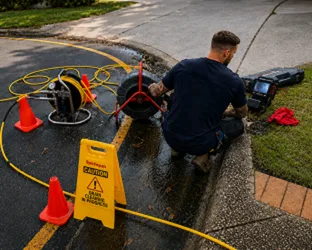
Multimeter on elements, sequence checks on gas, codes read on continuous flow. The diagnosis comes off the meter, never off a sales target.
Repairable means repaired now. End-of-life means the repair and replacement prices side by side, with our reasoning, then your call, unhurried.
Replacements go in with tempering valve, relief drain and compliant connections, old unit gone, and hot water flowing: usually the same day.
Early calls usually shower hot the same night. Tell us the system on the phone and the likely part rides out on the van.
Diagnosis first, honest numbers second, hot water third: usually all on the same day.

Leave your details and our local Chatswood team will call you back fast.